


5 Signs Your Office Furniture Doesn’t Need Replacing
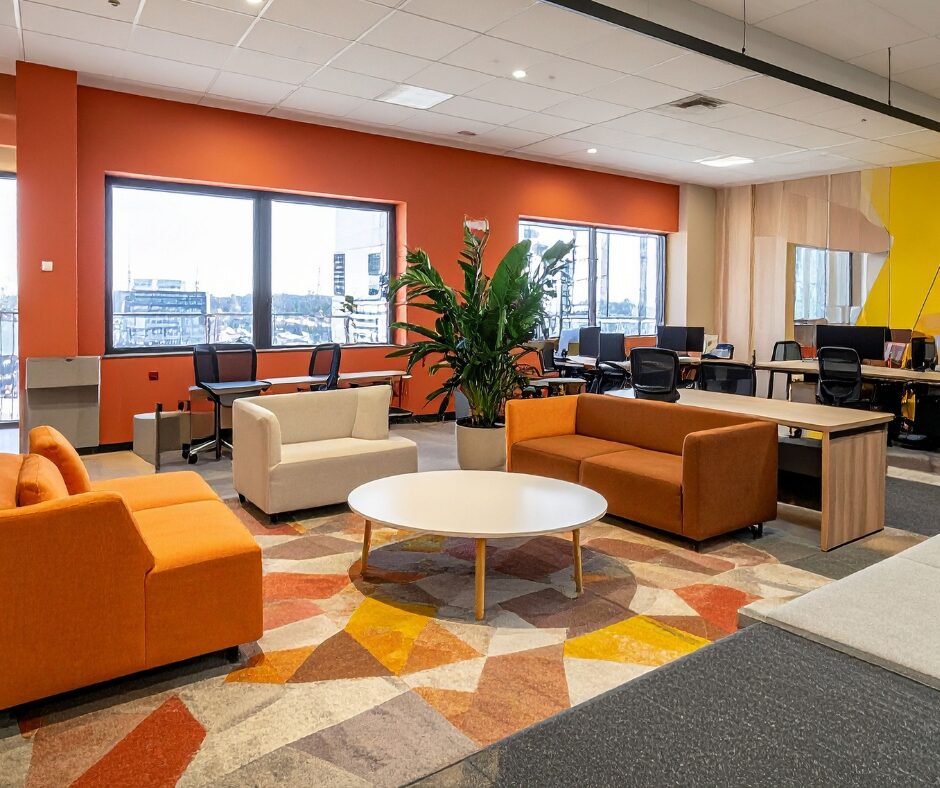
A Guide to Smarter Workspace Design
When your office starts to feel outdated, replacing everything might seem like the fastest solution. But for facilities managers balancing budgets, sustainability targets, and operational disruption, a full refit isn’t always the smartest move.
In many cases, refurbished office furniture offers a more strategic, cost-effective route, supporting both efficient workspace design and your organisation’s circular economy goals.
Before committing to replacement, here are five clear signs your office furniture still has value.
1.The Structure Is Still Sound
Do you need to replace office furniture if it’s still sturdy?
No, if your desks, chairs, and storage are structurally solid, they’re ideal candidates for refurbishment.
High-quality office furniture is built to last for years. If there are no broken mechanisms or safety concerns, refurbishment can extend lifespan significantly aligning with circular economy principles and reducing capital spend.
2.The Issues Are Only Cosmetic
Can worn office furniture be improved without replacing it?
Yes, surface-level wear doesn’t justify full replacement.
Scratches, fading, or outdated finishes can be resolved through refurbishment:
- Re-laminating desk surfaces
- Repainting frames
- Reupholstering chairs
- Updating trims and finishes
This approach delivers a like-new appearance while keeping costs and environmental impact low.
3.Your Workspace Design Needs Rethinking
Is poor layout mistaken for poor furniture?
Often, yes.
Inefficient workspace design can make even premium furniture feel outdated. Before replacing assets, consider:
- Improving space flow and circulation
- Creating collaborative or quiet zones
- Optimising desk positioning for light and movement
- Reducing clutter
Reconfiguring your existing setup can transform performance without purchasing new furniture.
4.The Look Doesn’t Match Your Brand
Should your replace furniture just for aesthetics?
Not necessarily.
Brand evolution doesn’t mean your furniture is obsolete. Instead:
- Update finishes to reflect your current identity
- Introduce branded panels or accessories
- Blend refurbished and new pieces strategically
This hybrid approach supports a modern workspace while avoiding unnecessary waste.
5.Comfort Issues Are Fixable
Do employee complaints mean furniture must be replaced?
Not always.
Comfort can often be improved with targeted upgrades:
- Replace chair components (arms, bases, cushions)
- Add ergonomic supports
- Adjust desk heights or configurations
- Introduce accessories like footrests or monitor risers
This improves employee wellbeing without the cost of full replacement.
Why Refurbished Office Furniture Makes Sense
For facilities managers, the decision isn’t just about furniture, it’s about performance, cost control, and sustainability.
Choosing refurbished office furniture helps you:
- Reduce capital expenditure
- Support circular economy initiatives
- Minimise operational disruption
- Extend the lifecycle of existing assets
- Improve workspace design without starting from zero
The Smarter Strategy for Facilities Managers
Replacing furniture should be the last step, not the first.
If your assets are structurally sound, refurbishment and reconfiguration can deliver the same outcome at a fraction of the cost, while supporting your sustainability targets.
Ready to Improve Your Workspace Without Replacing Everything?
At DSK Top, we help facilities managers unlock the full potential of their existing office environment through refurbishment, reconfiguration, and smarter workspace design.
👉 Get in touch today for a no-obligation consultation and discover how refurbished office furniture can transform your workspace while supporting your circular economy goals.