


The Benefits of Open Office Design: A Comprehensive Guide

In today’s rapidly evolving business landscape, workplace design has become a critical factor in determining organizational success. As we navigate through 2025, open office designs have emerged as the preferred choice for companies worldwide, revolutionizing how we think about workspace efficiency and employee collaboration.
What is Open Office Design?
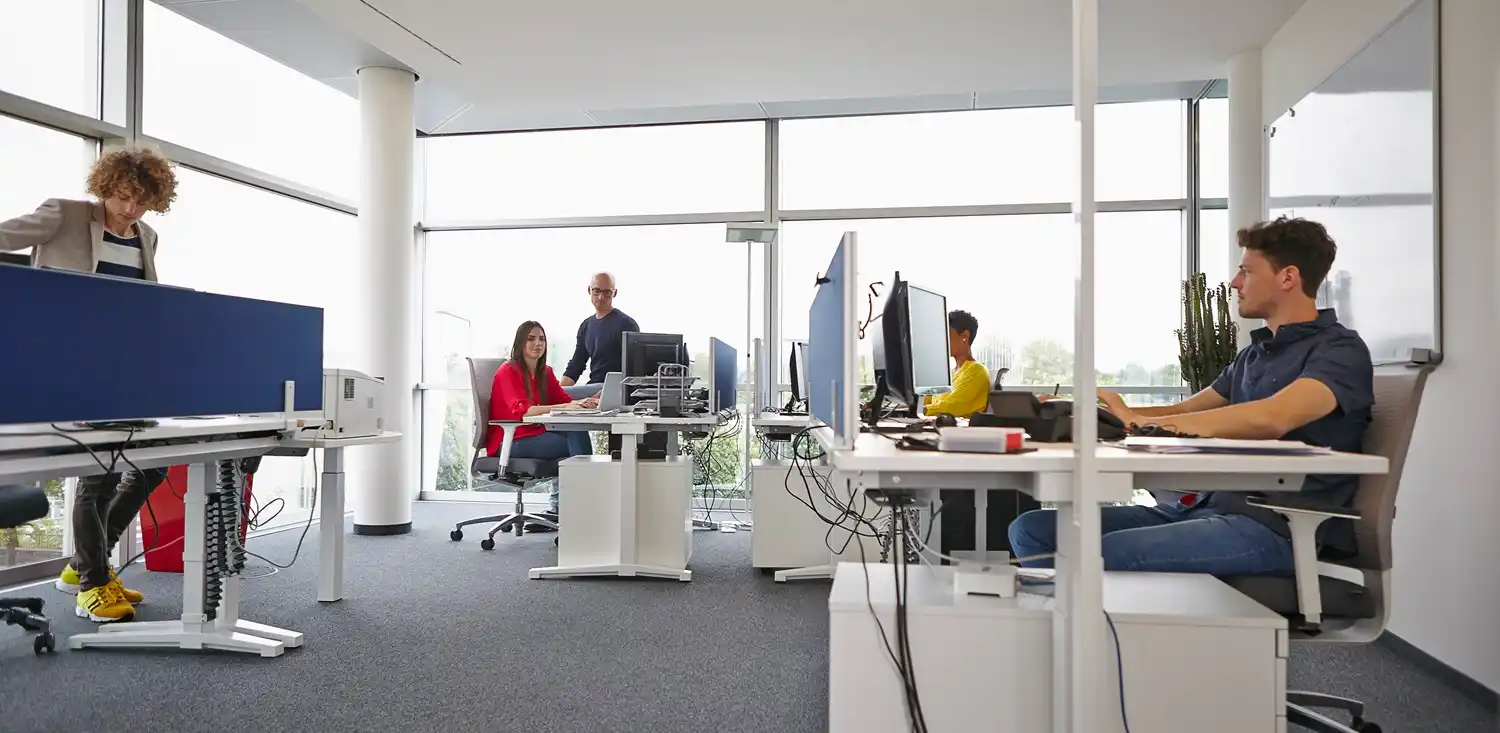
Open office design represents a fundamental shift from traditional closed offices and cubicle systems. This modern approach emphasizes minimal physical barriers, maximum visual connectivity, and shared collaborative spaces. Rather than isolating employees in separate rooms or partitioned areas, open offices create expansive, integrated environments where teams can work together seamlessly.
The concept gained significant traction in the tech industry before spreading across various sectors, fundamentally changing how businesses approach workspace planning and employee interaction.
Enhanced Collaboration and Communication
Breaking Down Barriers
One of the most significant advantages of open office design lies in its ability to dramatically improve communication between team members. When physical walls disappear, so do many of the communication barriers that traditionally hindered workplace efficiency.
Key communication benefits include:
- Instant information sharing: Team members can quickly exchange ideas without scheduling formal meetings
- Spontaneous brainstorming sessions: Creative discussions naturally emerge when colleagues are in close proximity
- Cross-departmental collaboration: Different teams can easily interact and share insights
- Reduced hierarchical barriers: Management becomes more accessible to employees at all levels
Fostering Innovation and Creativity
Research suggests that open offices can boost creativity by increasing the frequency of unplanned interactions. When employees from different departments and skill sets work in shared spaces, they’re more likely to:
- Exchange diverse perspectives on projects
- Discover unexpected solutions through casual conversations
- Build upon each other’s ideas organically
- Develop innovative approaches to common challenges
Cost-Effectiveness and Space Optimization
Maximizing Real Estate Investment
From a financial perspective, open office designs offer substantial cost advantages that make them particularly attractive to businesses of all sizes.
Primary cost benefits:
- Increased space efficiency: More employees can be accommodated in the same square footage
- Reduced construction costs: Fewer walls and partitions mean lower initial setup expenses
- Lower maintenance expenses: Open spaces are easier and less expensive to clean and maintain
- Flexible reconfiguration: Layouts can be easily modified without major construction projects
Scalability for Growing Businesses
Open offices provide unmatched flexibility for companies experiencing growth or organizational changes. This adaptability allows businesses to quickly adjust their workspace without significant renovations, making it easier to:
- Accommodate new team members
- Reorganize departments efficiently
- Test different seating arrangements
- Adapt to changing business needs
Improved Employee Morale and Company Culture
Building Stronger Team Dynamics
The psychological impact of open office environments extends far beyond mere space utilization. These designs actively contribute to building stronger, more cohesive teams by:
Enhancing social connections:
- Encouraging informal interactions during work hours
- Creating opportunities for mentorship and knowledge sharing
- Breaking down departmental silos
- Fostering a sense of unity and shared purpose
Promoting Transparency and Trust
Open office designs naturally promote organizational transparency. When employees can see management and colleagues working alongside them, it creates an atmosphere of mutual trust and accountability. This transparency helps:
- Build confidence in leadership decisions
- Reduce workplace gossip and speculation
- Encourage honest, direct communication
- Create a more egalitarian work environment
Flexibility and Adaptability
Dynamic Workspace Solutions
Modern open offices are designed with adaptability at their core. Unlike traditional fixed layouts, these spaces can be easily reconfigured to meet evolving business needs.
Flexibility advantages include:
- Modular furniture systems: Desks and seating can be rearranged quickly
- Multi-purpose areas: Spaces can serve different functions throughout the day
- Hot-desking capabilities: Employees can choose workstations based on daily needs
- Activity-based working: Different zones can be optimized for specific tasks
Technology Integration
Open offices excel at accommodating modern technology requirements. The absence of permanent walls makes it easier to:
- Install and upgrade IT infrastructure
- Provide universal access to power and connectivity
- Implement advanced audio-visual systems
- Support mobile and flexible working arrangements
Health and Wellness Benefits
Natural Light and Air Circulation
Open office designs typically allow for better natural light distribution and improved air circulation throughout the workspace. These environmental factors contribute to:
Physical well-being improvements:
- Reduced eye strain from better lighting conditions
- Improved air quality through better ventilation
- Lower risk of sick building syndrome
- Enhanced overall comfort levels
Mental Health Advantages
The social aspects of open offices can positively impact employee mental health by:
- Reducing feelings of isolation and loneliness
- Providing opportunities for peer support
- Creating a more energetic and vibrant atmosphere
- Encouraging regular social interaction
Considerations for Successful Implementation
Balancing Openness with Privacy
While open offices offer numerous benefits, successful implementation requires careful consideration of privacy needs. Effective open office designs incorporate:
Privacy solutions:
- Quiet zones for focused work
- Phone booths for confidential calls
- Meeting rooms for sensitive discussions
- Flexible partitions that can be adjusted as needed
Managing Noise and Distractions
One of the primary challenges of open offices is managing noise levels. Successful implementations address this through:
- Strategic acoustic design and sound-absorbing materials
- Clear guidelines for appropriate noise levels
- Designated quiet areas for concentration
- Technology solutions like noise-canceling systems
The Future of Open Office Design
Hybrid and Flexible Models
As we move forward, open office designs continue to evolve, incorporating lessons learned from recent workplace transformations. The future likely holds hybrid models that combine the benefits of open design with increased flexibility for remote and hybrid work arrangements.
Technology-Enhanced Collaboration
Emerging technologies are making open offices even more effective by:
- Enabling seamless integration between in-office and remote workers
- Providing smart space utilization analytics
- Supporting AI-powered workspace optimization
- Facilitating immersive virtual collaboration experiences
Conclusion
Open office design offers a compelling combination of benefits that address many of the challenges facing modern businesses. From enhanced collaboration and cost-effectiveness to improved company culture and flexibility, these environments provide a foundation for organizational success in today’s competitive landscape.
However, the key to maximizing these benefits lies in thoughtful implementation that considers the specific needs of each organization and its employees. By carefully balancing openness with privacy, collaboration with concentration, and flexibility with functionality, companies can create open office environments that truly enhance productivity and employee satisfaction.
As workplace expectations continue to evolve, open office designs that prioritize employee well-being, technological integration, and adaptability will remain at the forefront of modern business strategy. The companies that successfully implement and optimize these environments will be best positioned to attract top talent, foster innovation, and achieve sustainable growth in the years ahead.