


Eco-Friendly Style: Dsktop’s Approach to Sustainable Office Design.
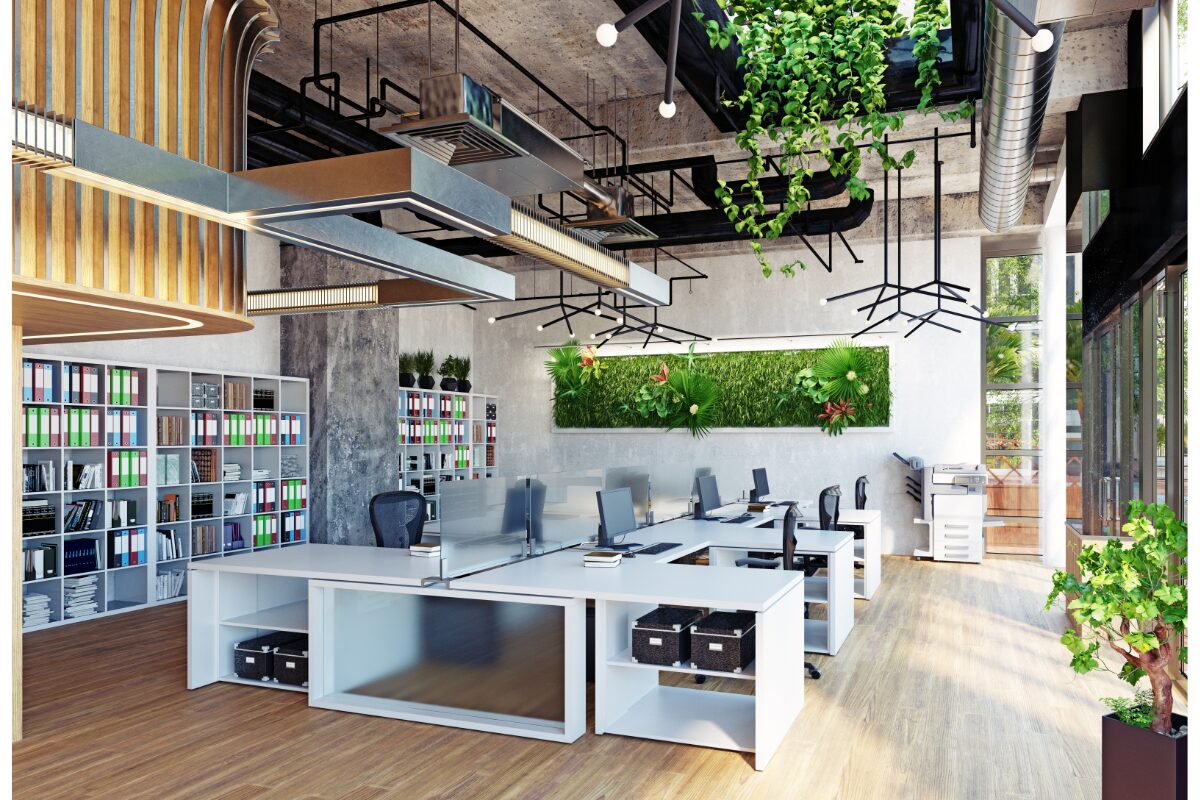
Introduction to Sustainable Office Design
Sustainability is essential in modern workspaces due to its environmental, health and economic benefits. Traditional office furniture production often relies on non-renewable resources and processes, contributing to environmental damage; overtime leading to resource consumption and high carbon emissions. Sustainable office design reduces these impacts by using eco-friendly materials and energy-efficient processes, reducing the overall carbon footprint of office furniture production.
Health and well-being are also enhanced through sustainable practises. Eco-friendly furniture improves indoor air quality by minimising the use of toxic materials, fostering a healthier work environment and reducing health risks for employees. Financially, sustainable and upcycled furniture is durable and requires less maintenance, resulting in long-term cost savings.
A company which commits to sustainability strengthens its corporate image, appeals to clients, investors and employees who value environmental responsibility. Sustainable workplaces, characterised by natural lighting and comfortable furniture, also boost satisfaction of employees and levels of productivity. Incorporating natural light enhances employee well-being and productivity but also fosters a healthier and more enjoyable workplace.
Dsktop is redefining sustainable office design by adopting responsibly sourced materials and creative upcycling methods. Dsktop transforms old office furniture into functional and stylish pieces, reducing landfill waste and extending material life. Collaborating with Herman Miller, a leader in sustainable furniture, Dsktop merges forward-thinking designs with eco-conscious practices, setting new standards for sustainable office environments.
The Values of Sustainable Office Furniture
Sustainable office furniture is produced with several core principles aimed at minimizing environmental impact. The primary aspect of this approach is the choice of materials. Sustainable furniture often incorporates renewable resources like bamboo, which grows rapidly, and recycled or reclaimed materials, such as reclaimed wood or metals, reducing the need for new raw materials and decreasing waste.
Another key principle is minimising environmental impact through the avoidance of toxic chemicals and finishes that release harmful volatile organic compounds (VOCs). This contributes to better indoor air quality and a healthier work environment. The production process of eco-friendly furniture is also designed to be energy-efficient, often using renewable energy sources to lower the carbon footprint associated with manufacturing.
Durability is fundamental; high-quality sustainable furniture is built to last, which reduces the need for frequent replacements and therefore decreases waste. Additionally, many eco-friendly pieces are designed with recyclability in mind, featuring flexible designs and materials that can be easily disassembled and recycled. This thoughtful approach to design ensures that furniture can be repurposed or recycled at the end of its lifecycle, further minimising its environmental impact.
Upcycling: Turning Old into New
Upcycling is a sustainable practice that transforms old or discarded furniture into new, functional pieces, and Dsktop stands out in this area. Combining creativity with technical expertise, Dsktop brings new life to items that would otherwise be wasted. The process starts with assessing and preparing old furniture- cleaning, repairing and sometimes disassembling pieces. Dsktop then refurbishes these items, often reupholstering or refinishing them with eco-friendly materials. Each piece undergoes thorough quality checks to ensure it is both attractive and durable. Upcycling contributes to creating sustainable office spaces by reducing waste and conserving resources.
The benefits of upcycling with Dsktop are substantial. It significantly reduces landfill waste by extending the life of existing furniture, therefore conserving natural resources. Additionally, upcycling lowers the environmental impact by cutting down on the energy and resources required to produce new furniture, resulting in reduced carbon emissions.
Furniture from Dsktop’s upcycling process is also cost-effective, offering significantly lower prices compared to buying new while maintaining high quality. Furthermore, these unique, customised items add a distinctive touch to your office, setting it apart from standard, mass-produced options. Finally, choosing Dsktop’s upcycled furniture enhances your company’s eco-friendly image, appealing to clients and employees who value sustainability.
Herman Miller: A Legacy of Sustainability
Herman Miller has long been a pioneer in sustainable design, shaping the future of office furniture with a strong commitment to environmental responsibility. They incorporate energy-efficient lighting solutions in their sustainable office designs, contributing to lower energy consumption and operational costs. Since its founding, the company has advocated practices that minimise environmental impact, such as using recycled materials and implementing energy-efficient manufacturing processes. Their dedication to sustainability is evident in the innovative design and durability of their products, crafted to last and reduce waste.
Dsktop sells upcycled Herman Miller furniture, building on the brand’s legacy of environmental responsibility. By offering pre-owned Herman Miller pieces that have been carefully refurbished, Dsktop extends the lifecycle of these high-quality items, incorporating their original design excellence with a new chapter of sustainability.
This approach not only supports the reduction of waste but also provides customers with stylish, affordable and eco-friendly office solutions.
Herman Miller’s commitment to improving materials, reducing emissions, and promoting responsible production aligns with Dsktop’s mission. By upcycling Herman Miller furniture, Dsktop ensures that these iconic pieces continue to contribute to a greener future while meeting contemporary design needs. This collaboration reflects a shared vision for sustainable practices and high-quality craftsmanship in office environments.
Dsktop’s Upcycling Process
Dsktop’s upcycling process transforms old furniture into stylish and functional pieces while minimising environmental impact. The journey begins with sourcing high-quality, used workplace furniture, which is carefully inspected to ensure it meets Dsktop’s standards for quality and potential.
The process starts with disassembling and cleaning the furniture to thoroughly assess its components. Damaged parts are repaired or replaced with reclaimed materials, preserving durability while reducing waste. The furniture is then reassembled with a focus on maintaining its original design integrity while incorporating modern aesthetics.
Skilled crafters at Dsktop use advanced techniques to refurbish and enhance each piece. This includes refinishing surfaces and updating upholstery with eco-friendly fabrics. Throughout the process, the goal is to preserve the functional and aesthetic value of each piece while enhancing its sustainability.
Each upcycled piece undergoes a thorough quality check to ensure it meets Dsktop’s high standards. The result is a collection of elegant, eco-conscious office furniture that merges sustainability with sophisticated design, offering a practical and stylish solution for modern workspaces.
Bringing Eco-Friendly Style to Your Office
As you consider ways to enhance your office space, incorporating sustainable furniture can offer both aesthetic and environmental benefits. Incorporating natural light into your office design can significantly enhance employee well-being and productivity. Opting for eco-friendly materials like recycled metals, bamboo, or low-VOC finishes not only elevates the style of your workspace but also contributes to a healthier indoor environment. Sustainable furniture often features sleek, modern designs that bring a touch of elegance while supporting environmental responsibility.
Incorporating upcycled furniture adds a unique flair to your office. These pieces, which repurpose existing materials, not only reduce waste but also provide unique character to your workspace. Whether used as statement items or to complement existing décor, upcycled furniture emphasises your commitment to sustainability in a visually appealing way.